The best country for an offshore company is a sought-after destination that doesn’t exist. If you find a jurisdiction that is a perfect fit for an investment holding structure, you may suddenly discover that it is too expensive for a solo consultant. Sometimes you find a low-cost company, and the whole thing looks attractive until you discover that the bank you want to work with rejects your application.
The lowest corporate tax rate alone is a poor criterion. The “best” is the one that is good for your project in every aspect.

Classic offshore jurisdictions such as Belize or the BVI may be advertised as the best offer ever, but this is not true in every case. That’s why we compare them with international business hubs such as Hong Kong and Singapore to see where you will really benefit.
What Is an Offshore Company?
When you establish a company in a country where you don’t live, you become an offshore company owner. Your company is not tax-free just because it has an offshore status. Neither is it anonymous. The place of incorporation has its laws, and your home country may impose certain tax and reporting obligations on you.
An offshore structure is commonly used for international consulting or trade. It may also be convenient for holding assets scattered across the world. Offshore Pro can become your reliable partner and form a company for you in the jurisdictions discussed below.
Is an Offshore Company Still Worth It in 2026?
Suppose you sell to customers in different countries or hold assets abroad. That setup will be easier to manage once you establish a foreign company.
Now let’s imagine you have a purely local business. That’s the case when a foreign company may only mean another renewal and more reporting, as well as one more banking relationship to deal with.
Cheap incorporation or “lower taxes” is rarely the answer.
How We Compare Offshore Jurisdictions
The list of jurisdictions below does not take us from best to worst; it simply provides different solutions.
We look at the tax system beyond the headline rate. How will the income be treated if you generate it abroad? Will your company’s tax position depend on substance or management?
Owning the company costs more than the incorporation fee alone. The real cost includes the fees paid to a registered agent, as well as accounting and banking costs. Don’t be blinded by promises of inexpensive incorporation until you look at this aspect.
Post-incorporation obligations may differ considerably. Annual returns are required in most cases, but audits and substance rules may also come into play.
In the end, we analyze the practical side. Can the company realistically obtain the banking it needs? Is it a good jurisdiction for the business in question?
Key Factors When Choosing a Jurisdiction
Banking Comes Before Registration
A company you register with ease may be difficult to bank.
Don’t choose an offshore jurisdiction until you find out where your company can open an account. The bank looks beyond the country of incorporation, of course: owners and business activity are just as important.
You can open an account for your offshore company outside the place of incorporation. Plan your banking from the start. Don’t delay it until company registration is over if payment processing is an essential part of your business.
Privacy: What Is Actually Public?
When we ask our clients to tell us what degree of privacy they want, many mean anonymity.
Suppose a corporate registry is not accessible to the general public, but the registered agent still knows who the beneficial owner is. This is privacy, but not anonymity.
Such details may affect the choice, so please check them in advance. CRS or FATCA impose their own rules, which may define what your financial-account reporting looks like.
Top Offshore Jurisdictions to Consider in 2026
Belize
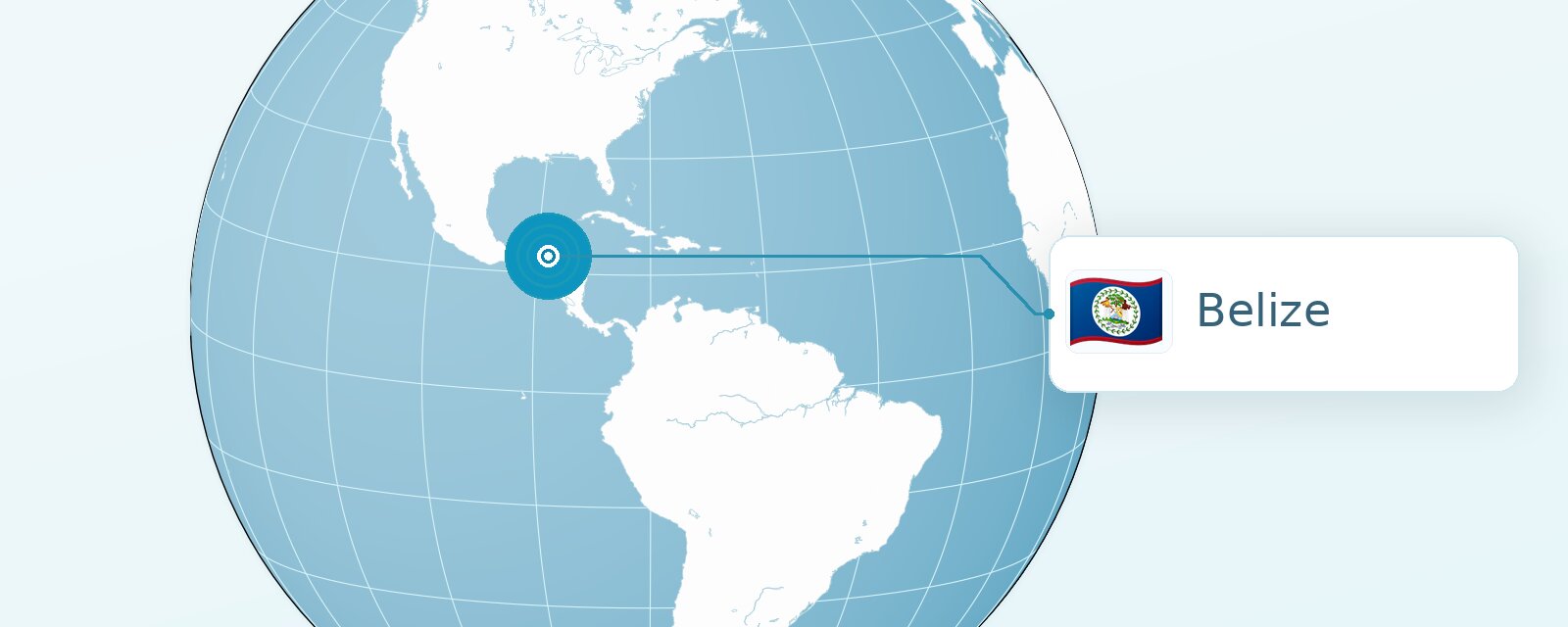
This is a low-cost option where we can help you establish an IBC (if you need a classic share-based company) or an LLC (if you need a flexible structure managed by members).
Belize companies may be described as “tax-free” in some articles. In reality, this approach may be simplistic: the result depends on the type of income and activity, and annual tax filing rules do exist.
If you need a “register and forget” company, this is not about Belize: in reality, you will have some post-incorporation work to do. Annual returns should still be filed on time, and the beneficial ownership information you provide should be true to fact.
The part we recommend checking first of all is banking. If that problem is solved, you can create your small international business or holding structure in Belize without much hesitation.
British Virgin Islands
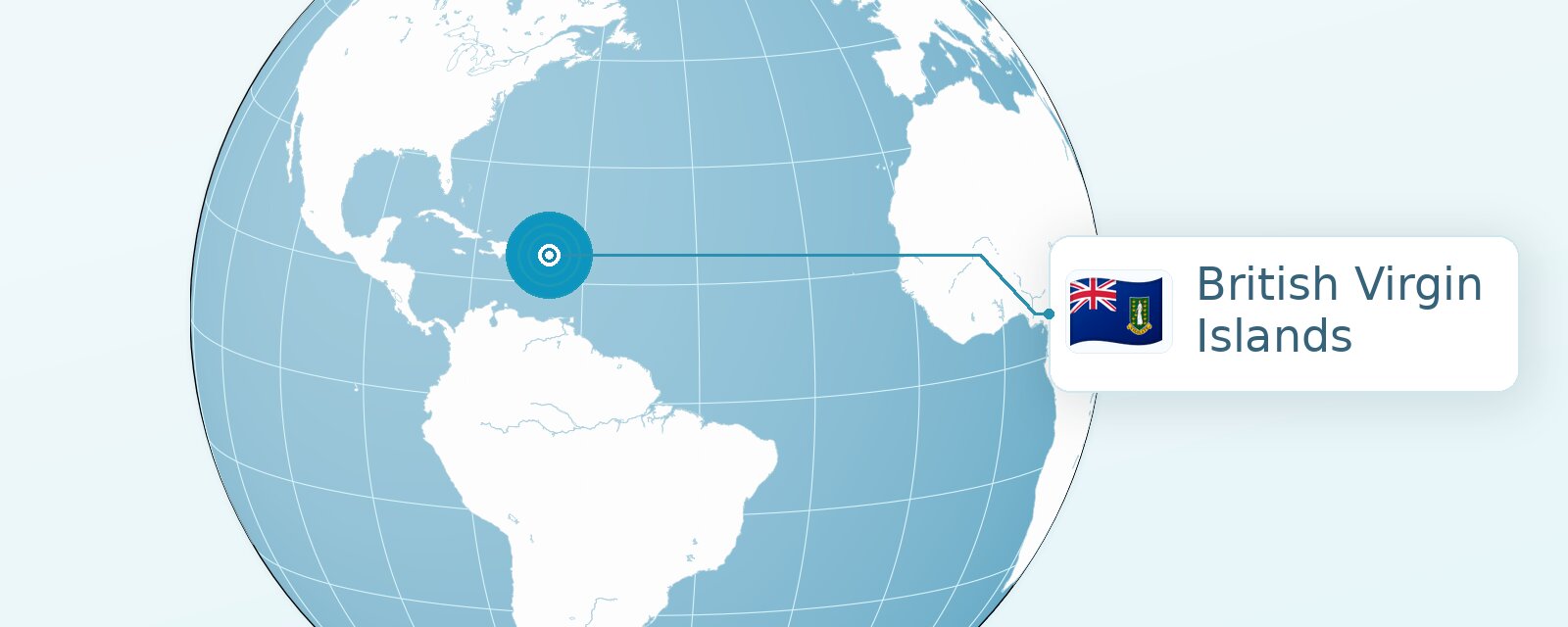
The British Virgin Islands are well known in the world of offshore business. This factor may be important if you are going to use your company for holding or investment, or simply non-resident ownership.
You can set up a Business Company in the BVI with a single shareholder and a single director. We can help you with basic formation at $3,950. Annual renewal will cost $2,950.
The idea that a BVI company means almost no paperwork used to be true to life, but things have changed. A few lucky ones enjoy statutory exemption, but the vast majority of BVI companies submit an annual financial return to their registered agent (usually due within nine months after the financial year ends).
Ownership is not anonymous. The general public does not see the beneficial owner (at least, not automatically), but the relevant authorities do. If your company is limited by shares, a person who holds 10% of shares or voting rights is considered a beneficial owner.
We recommend the BVI to those of our clients who need a familiar jurisdiction for a holding or investment structure. If your operating business is small, the cost may be unjustified.
Cayman Islands
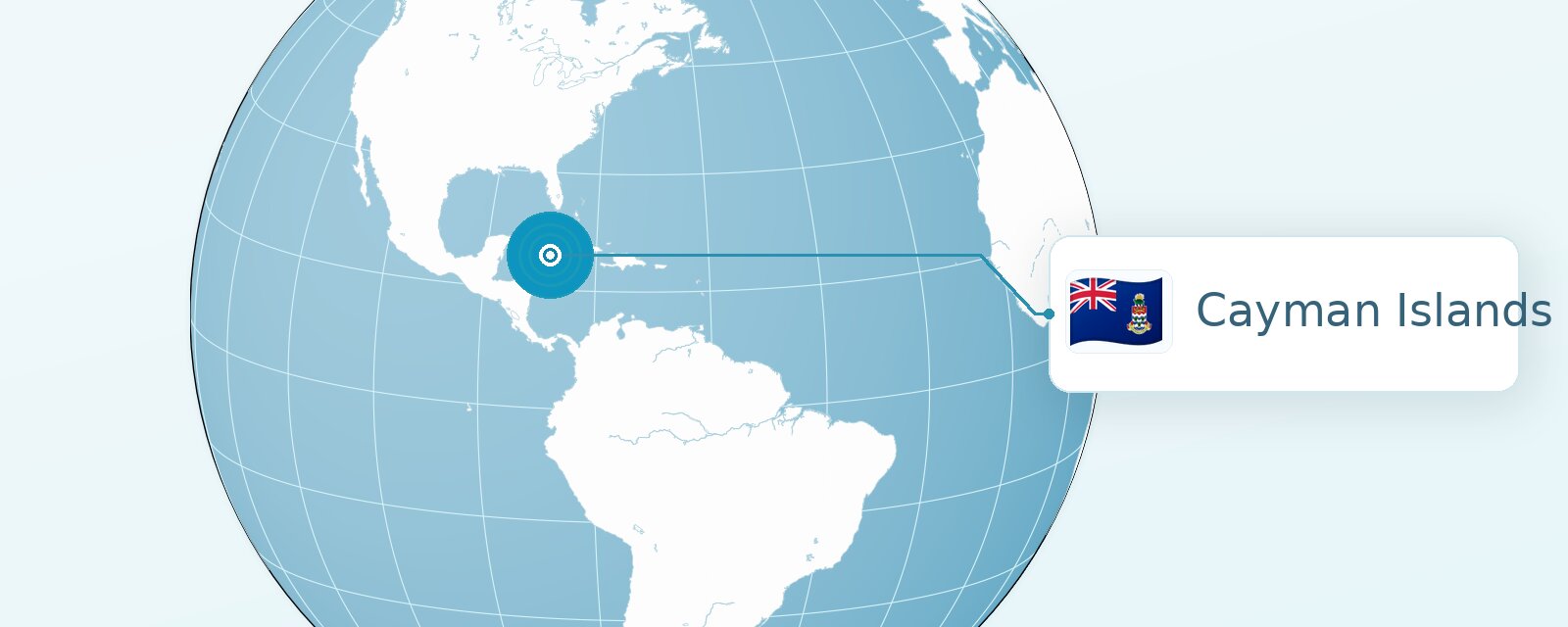
Cayman may be too much for a solo consultant who only needs a company to send invoices. However, if you intend to make investments or form a large holding structure, the jurisdiction looks more advantageous. Exempted companies set up in the Cayman Islands are often used as fund vehicles, and CIMA lists them as structures recommended for investment funds.
The price reflects this difference: our initial registration fee is $5,900, and you will need to pay the same amount each year to renew the company. The formalities can be completed within three business days from the date of KYC package approval.
Global entrepreneurs flock to the Cayman Islands to benefit from low tax rates. You will pay no corporation, income, or capital gains tax. Don’t forget that taxes may be payable back home, though, and remember that compliance requirements are still a part of the general picture.
Official note: relevant entities and activities in the Cayman Islands are under economic substance rules. In simple words, even though some companies are registered locally and do their business somewhere else, their activity is still checked against the substance rules.
In our opinion, a Cayman structure makes sense when it is serious enough to justify the price: an investment fund or a larger holding project. If your company is not that big, we can recommend a cheaper jurisdiction.
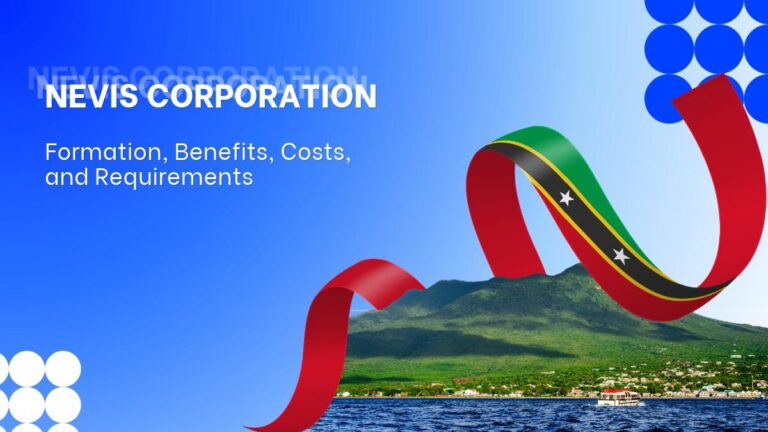
Nevis
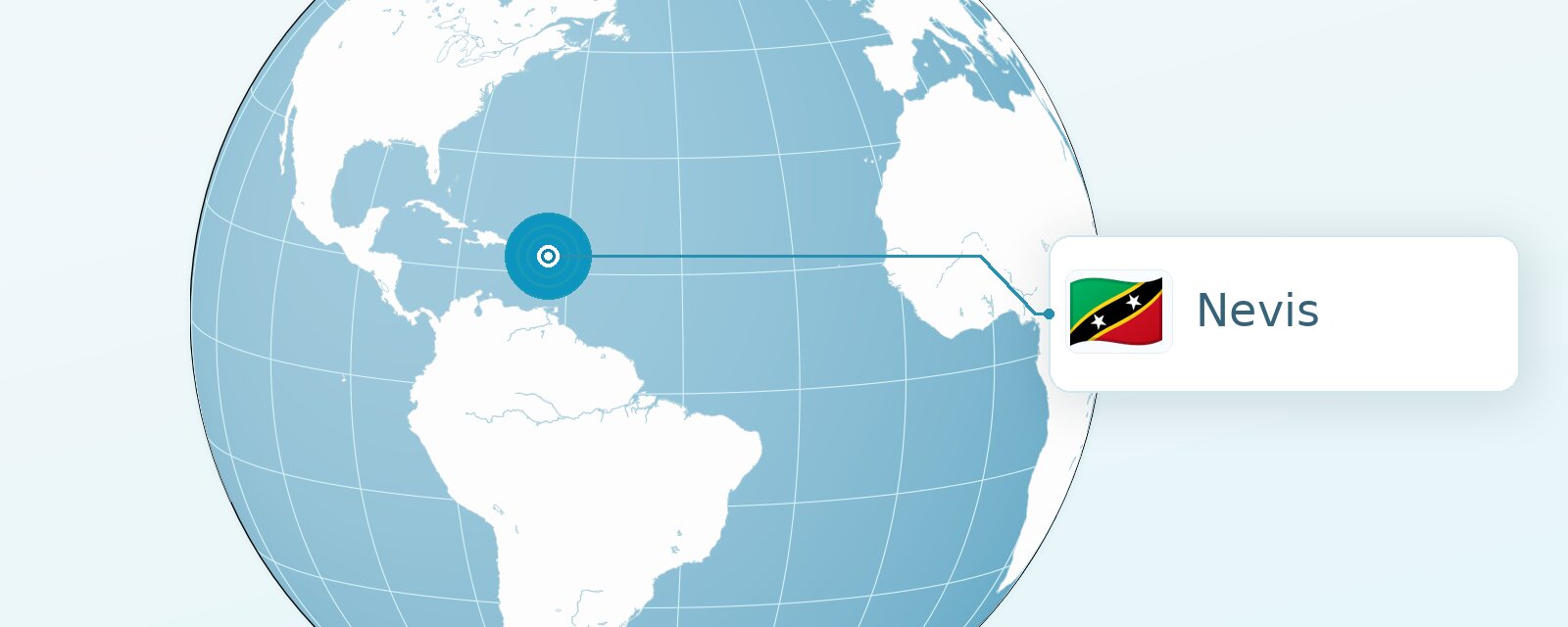
Nevis is a jurisdiction where the company type matters a lot. You can establish an LLC or an IBC, and they will serve different purposes. We usually recommend a Nevis LLC for asset holding or investment planning. The local regulator also describes it as a suitable structure for business or international financing. If you need a traditional share-based company, opt for the IBC.
Basic registration will cost €3,300, and the renewal fee is €2,200. Your company will be handled by a licensed registered agent (mandatory!), so you don’t need to travel to Nevis just to sign any documents.
When lawyers talk about asset protection, they inevitably mention Nevis. Still, don’t expect your assets to be untouchable. There are certain rules in Nevis LLC legislation that set barriers to creditors who attempt to seize assets, which makes the structure popular for asset holding projects.
If you are planning to hold assets or make investments, we recommend considering Nevis. A small business that receives ordinary customer payments can be launched in a simpler jurisdiction.
Panama
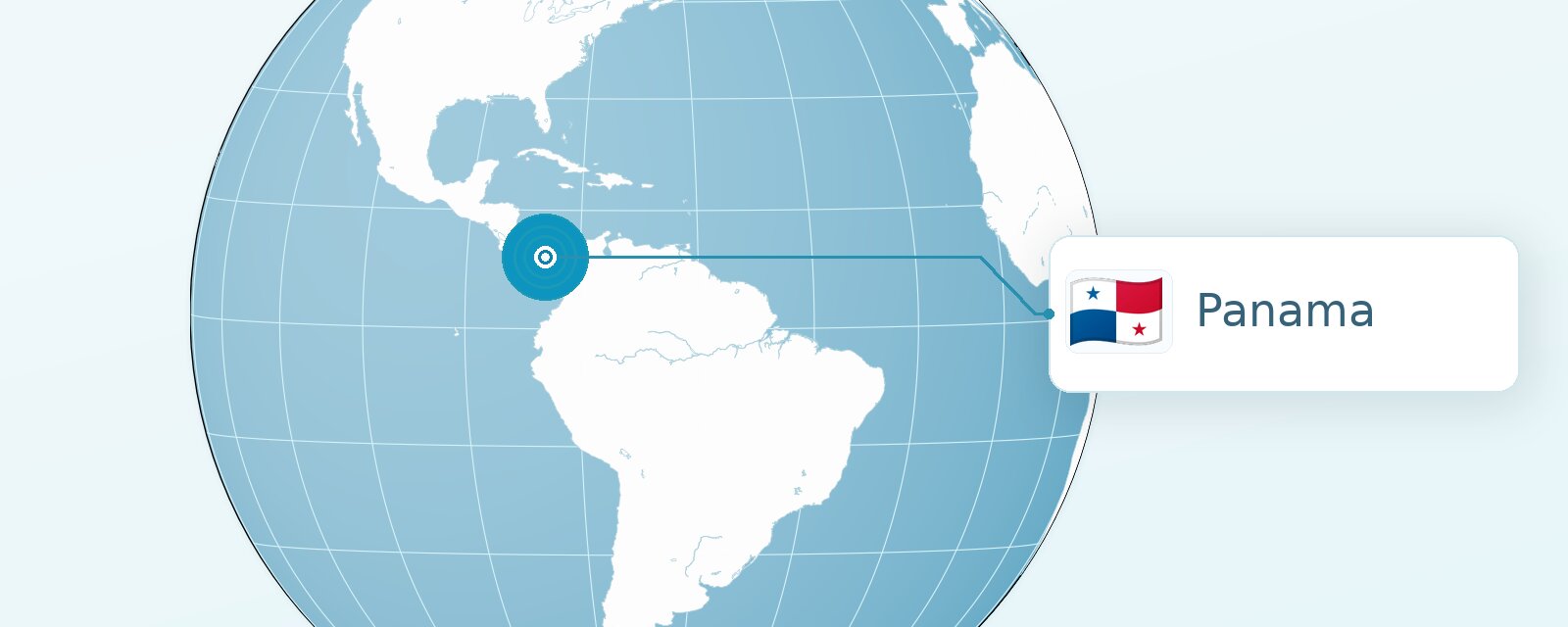
Panama’s territorial taxation is a special feature that may sometimes be a decisive factor: income generated outside the country is often exempt from corporate tax, but exact treatment still depends on the source and activity.
Panama S.A. is a more traditional corporate structure than in many other destinations: at least three directors are required, and some officer roles are mandatory. On the upside, one shareholder is enough, and nonresident ownership is permitted.
We offer a standard Panama formation package that currently starts from $3,950. Annual fee is $2,950.
The territorial tax system may be a decisive reason to choose Panama, though you may simply need a Latin American connection. However, if a client comes to us and says “I want a simple company with minimum corporate formalities”, we recommend one of the classic IBC jurisdictions.
Panama offers limited privacy: the names of directors appear in the public registry. The information on beneficial owners is recorded in a separate non-public system that can only be accessed by the registered agent and competent authorities.
Gibraltar
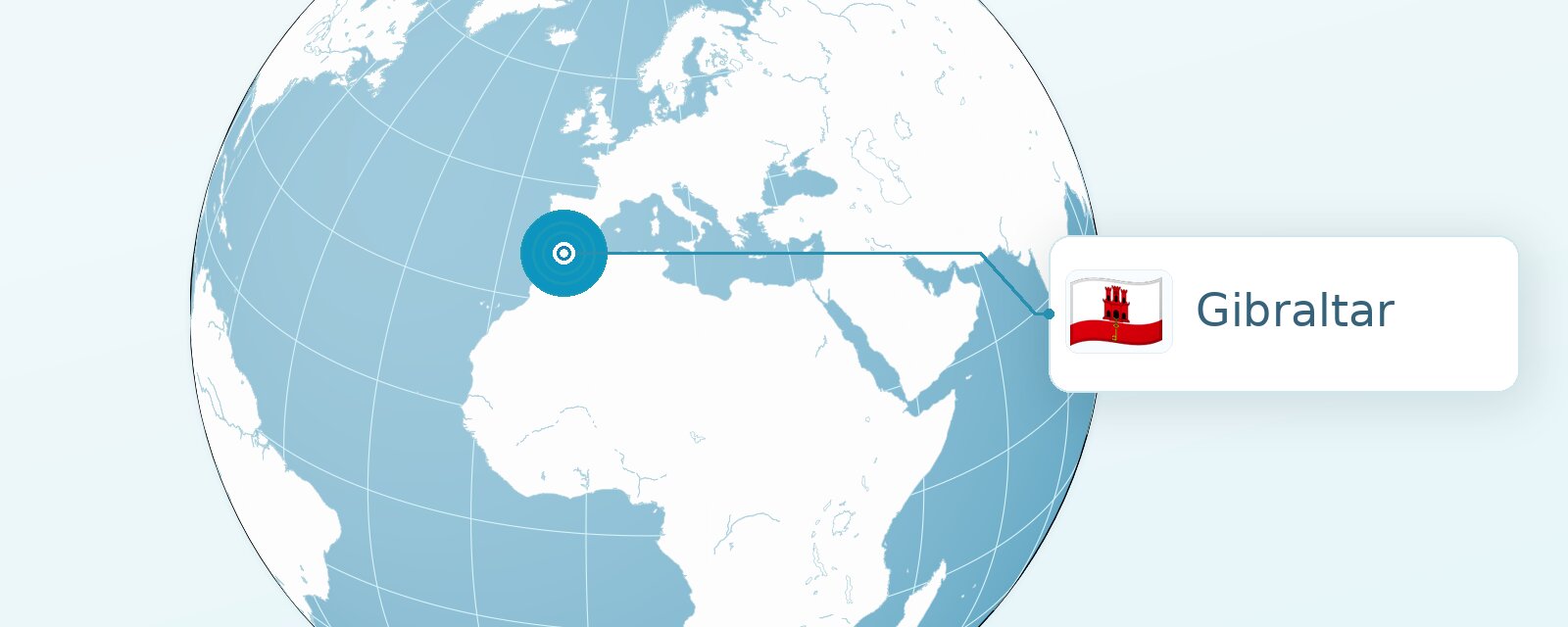
Looking for the cheapest option in our list? Not this time. Gibraltar makes sense if you need a company that your European or UK counterparties will instantly recognize, and that will be convenient for international business at the same time. Anyway, this is not a classic island IBC story.
The country imposes a standard corporate tax rate of 15%, but it is usually limited to profits made in Gibraltar. If you generate income abroad, it may fall outside local corporation tax; it depends on its source and the way the company operates.
Price is an obvious drawback: our company registration fee is €6,750, and there is an annual renewal cost (€5,750). If our client wants a cheap company that will mostly be used for international invoicing, we recommend looking elsewhere.
There is somewhat less privacy here than most people associate with offshores: company information is available to the public through company profiles and annual filings. This includes details of directors and shareholders. Some clients find this aspect critical.
Not sure whether Gibraltar will justify the extra cost? Discuss it with our expert.
Marshall Islands
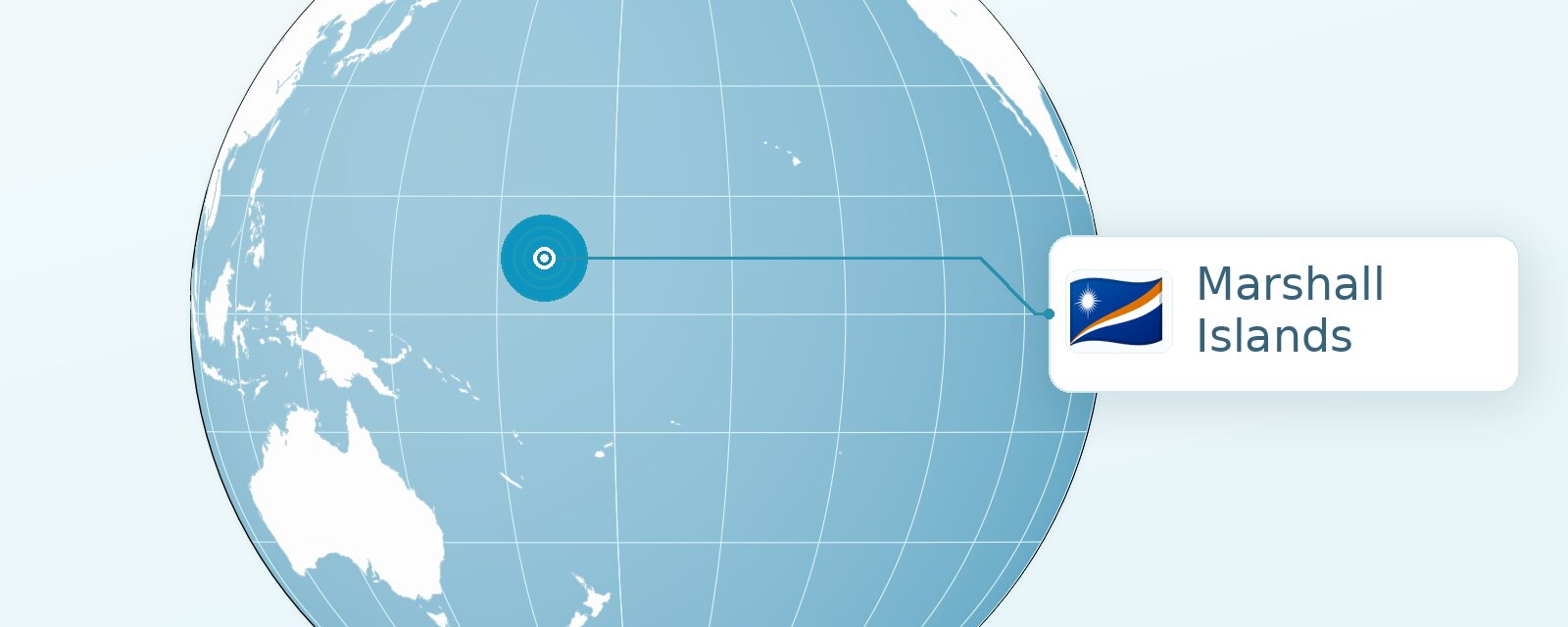
Shipping is the first reason to look at the Marshall Islands. It has a long-established maritime registry, so it’s logical that local IBCs are often used for holding vessels. However, they are just as good for investments and international trade.
You can choose between an IBC and an LLC. The first type needs only one director. An LLC operates under its Operating Agreement and may be managed by members or managers. A Marshall Islands company can be established for $2,750 and renewed for $1,750.
Suppose your business has nothing to do with shipping and you only need a simple company to issue international invoices. In that case, you can use the Marshall Islands as an affordable option that has no special advantage over other low-cost jurisdictions.
Privacy is relatively strong, and you are under no obligation to include directors, officers and shareholders in the public corporate register. Beneficial ownership is still regulated: a natural person who holds more than 25% of the shares or voting rights is treated as a beneficial owner.
A non-resident Marshall Islands company is required to file an annual economic-substance report. However, real economic substance is not always required: it depends on where you are tax resident and whether your business activity can be classified as a “relevant activity.”
Seychelles
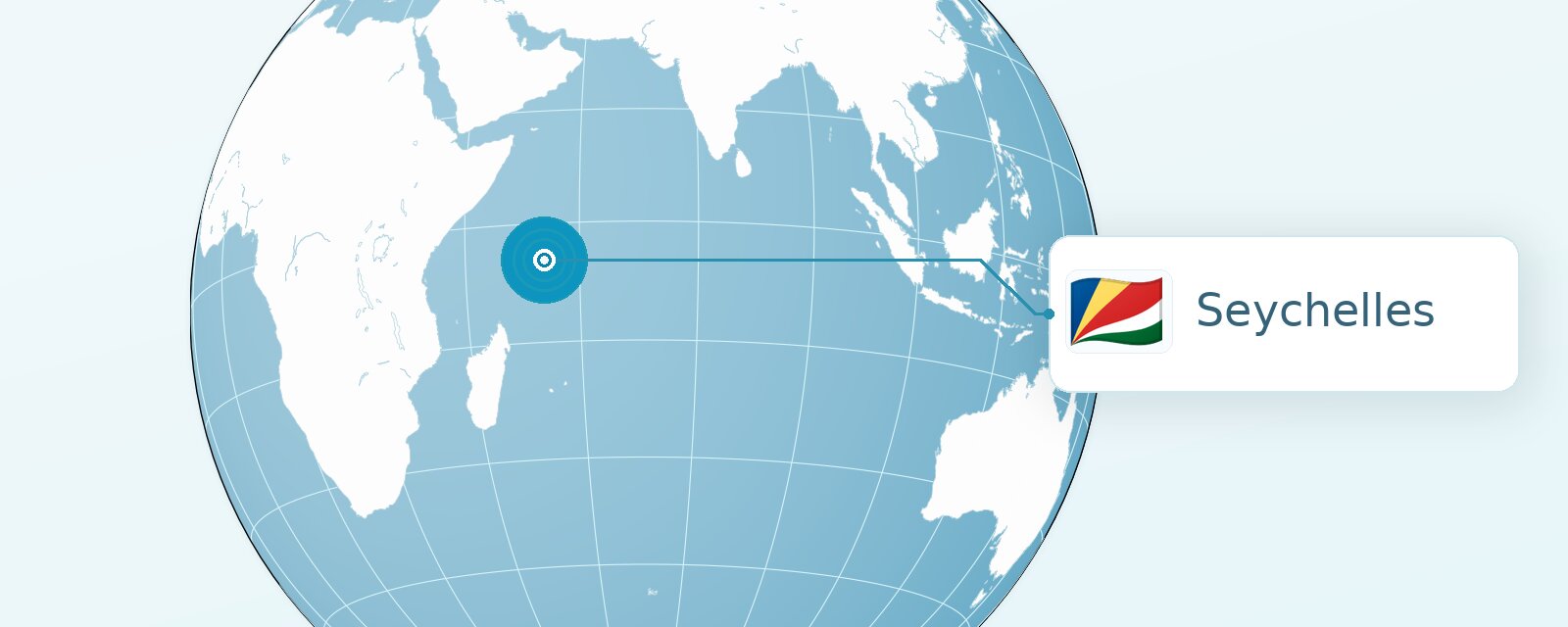
Seychelles can be an attractive choice if you want a relatively inexpensive IBC. We can register one for you at $3,350, and annual renewal will cost $1,999. One of the cheaper options in our shortlist!
What about the tax story? It’s not as primitive as you can read in old offshore articles. Seychelles used to have territorial taxation, but September 2021 rules changed the treatment of some foreign income for covered companies. Economic substance may now matter if you receive certain passive income from abroad.
Don’t choose Seychelles simply because somebody says “foreign income is tax-free.” First of all, think of where the company’s income will come from and what the company will do to earn it. These two facts will determine the result.
Seychelles has a dedicated Beneficial Ownership Act, which was amended again in 2025. And this is the ultimate reference for someone who claims that a Seychelles IBC is an anonymous company with no regulatory disclosure: beneficial ownership rules do exist here.
Seychelles is worth exploring if you need an affordable international company. We recommend checking the tax and banking plan before registration, though.
Hong Kong
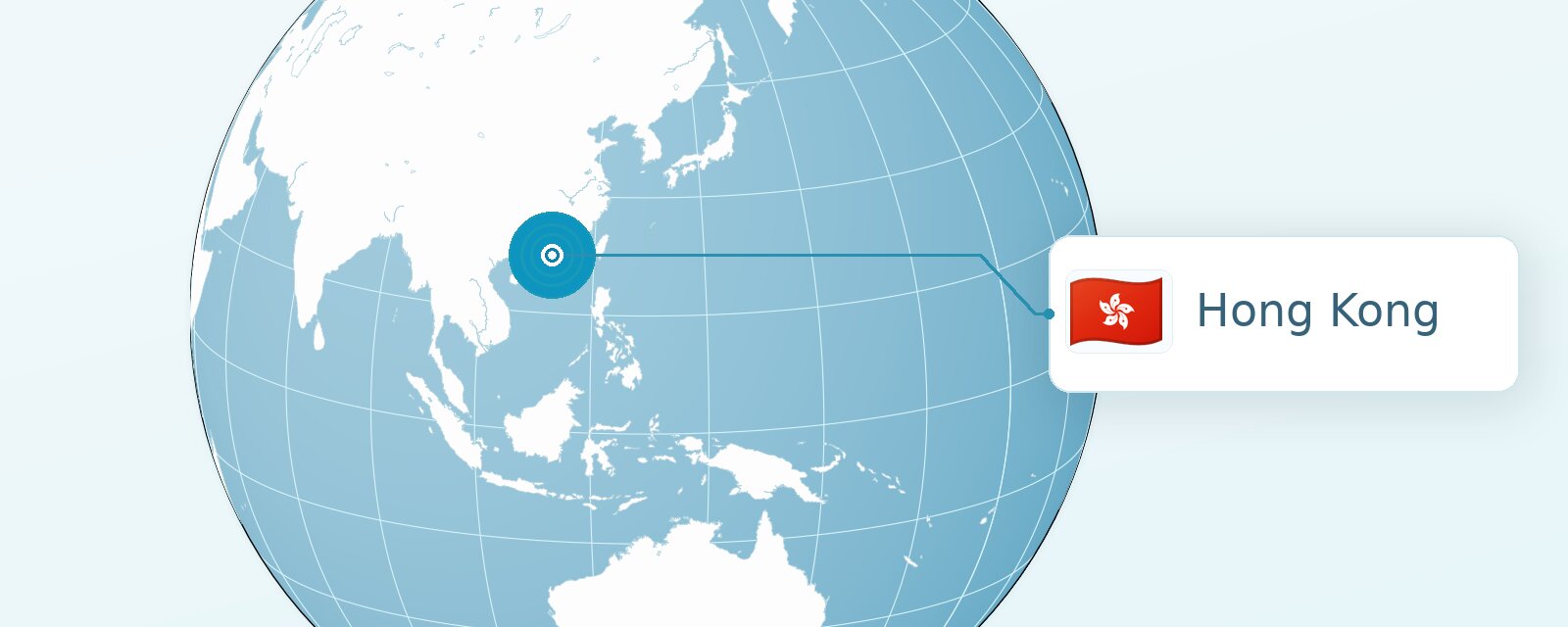
Let’s look at a completely different country now. Hong Kong is not a jurisdiction associated with cheap company formation or zero taxes, but it may be invaluable if your business needs Asia. Hong Kong is a good fit for companies that engage in international trade or e-commerce.
The tax system is territorial, and the source of profits matters. If your profits don’t exceed HK$2 million, they will be taxed at 8.25%.
Each company has some paperwork obligations after registration, and a private company in Hong Kong is no exception: an annual return is filed within 42 days after the anniversary of incorporation.
A Hong Kong company keeps a Significant Controllers Register, but the good news is you don’t file it as an ordinary public register with Companies Registry. Still, it must be maintained in Hong Kong and made available to the authorities if needed. A significant controller is a person who has more than 25% of the shares or voting rights.
Singapore
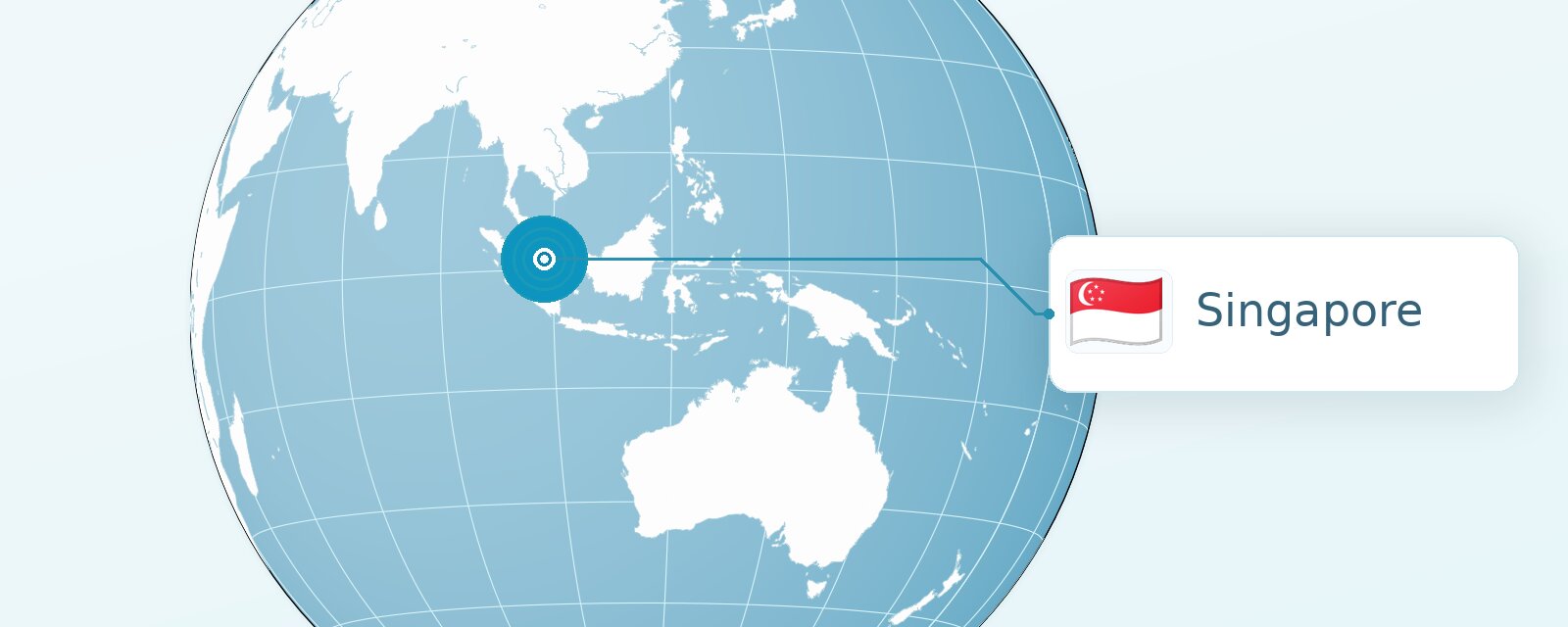
If we compare Singapore with a classic offshore jurisdiction, it definitely wants more from a foreign founder: you will need to appoint at least one director who is ordinarily resident in Singapore. You will also need a company secretary who will have to fulfill local residency requirements.
Singapore offers a straightforward tax rate: 17% of chargeable income. There are cases when exemptions and rebates apply, but rules change quickly.
We currently charge €3,850 for Singapore Pte Ltd formation. You can renew it for €3,550 paid annually.
Post-registration paperwork includes filing annual returns with ACRA and keeping regularly updated information about the company’s registrable controllers.
Singapore is excessive if you need a cheap foreign company. We can recommend it, though, if you are going to operate in Asia or work with international counterparties.
Comparison of the Most Popular Jurisdictions
Belize vs BVI
The reasons why you may see Belize and the BVI on the same shortlist may be completely different.
A Belize company is cheaper to set up and maintain. This may be enough if you need nothing more than a simple international company and you know how banking will work.
The BVI costs more. However, this is a jurisdiction that is much more familiar if we are talking about holding and investment structures. This may play a positive role if your company once becomes part of a larger corporation.
BVI vs Cayman Islands
If our client needs a holding or investment structure, we often discuss BVI and Cayman. The scale is usually different, though.
A BVI company is cheaper both to establish and maintain: we charge $3,950 against $5,900 for the Cayman Islands.
Cayman may be a more interesting option if your project involves funds or professional investors, or your investment structure is quite complex. However, there is no reason to pay more for the Cayman infrastructure if you have a simple task.
Nevis vs Belize
Both Belize and Nevis can be optimal for an affordable international structure, and the choice will depend on its purpose.
Choose Belize to establish an ordinary international company for commercial operations. An IBC would be good for consulting, trade or holding, while an LLC gives more flexibility to its members under an Operating Agreement.
Are your plans connected with asset protection? Nevis laws make local assets much harder to access.
Panama vs Classic Caribbean Offshore
The Panamanian territorial tax system means that income generated locally and outside Panama is treated differently. This factor makes it different from the majority of offshore company jurisdictions.
If you are planning to establish a simple holding or international business structure, a Caribbean jurisdiction will be enough. Panamanian corporate formalities are definitely more intricate. However, the jurisdiction may work well if you need a Latin American connection or want to rely on the territorial system.
Hong Kong / Singapore vs Classic Offshore
Hong Kong and Singapore solve a different problem from Belize or Seychelles.
A classic offshore company is often cheaper and easier to maintain. Asian destinations require regular filings and accounting; what is more, you will need at least one ordinarily resident director to establish a Singaporean company.
Singapore’s standard corporate income tax rate is 17%, and Hong Kong uses its own territorial profits-tax system. So we are not talking about zero tax here.
If your company is going to work actively in Asia, Hong Kong and Singapore may be worth it. Otherwise, set up a simple holding or international company elsewhere.
Best Jurisdiction by Business Use Case
Each project requires a jurisdiction that will be most suitable for it. Let’s look at what the company will actually do.
| Business case | Jurisdictions to consider | Why |
|---|---|---|
| International consulting | Belize, BVI | These international structures are relatively simple. |
| SaaS/digital business | Hong Kong, Singapore | This is a good fit for active international operations, especially if you are planning to work in Asia. |
| E-commerce | Hong Kong, Singapore, Panama | Commercial operations and regional connections |
| Holding company | BVI, Cayman Islands | These structures are familiar for ownership and investments. |
| Investment holding | BVI, Cayman Islands, Nevis | These are suitable options for investment and asset ownership |
| Asset protection | Nevis | A local LLC structure is very popular for asset-holding purposes |
| Shipping | Marshall Islands, Panama | Both have real maritime relevance. |
| Asia-facing business | Hong Kong, Singapore | These are invaluable if you need a regional business environment. |
| Latin America-facing business | Panama | Territorial system and regional connection |
Is this table a ready-made answer? No. A case-by-case analysis works much better than general recommendations. If you are going to have a business in Asia, a Singaporean company is a logical choice. Will its local management requirements and annual costs be acceptable, though?
Offshore vs Onshore
If you think that an offshore company is always cheaper or easier, that’s not true. A traditional international business hub can sometimes give you a better banking experience or access to investors. In many cases, it justifies higher annual compliance costs.
| Factor | Offshore Company | Traditional Onshore / International Hub |
|---|---|---|
| Tax | May be low or source-based | Usually follows an ordinary corporate tax system |
| Banking | Often requires a separate banking strategy | May be easier for active operating businesses |
| Compliance | Can be lighter, but never absent | Usually more accounting and filings |
| Substance | Depends on activity and jurisdiction | Local presence is more common |
| Ownership | Public disclosure varies | Corporate disclosure may be broader |
| Payment processing | Acceptance should be checked first | Often more convenient for active commerce |
| Investors | Depends on the structure | Familiar jurisdictions may be preferred |
| Cost | Lower setup is possible | Higher annual administration is common |
If you set up a simple consulting company, Singapore-level administration may be too much. Still, it may be exactly what you need for a growing SaaS business that needs investors and payment infrastructure.
When Offshore Is Not the Best Choice
Sometimes you don’t really need a business with an international potential. Suppose you employ people in the country where you live and work with local customers. It will be much easier for you to obtain a local license and work as a local company.
Banking may considerably influence the decision as well. If you need a particular payment service and it refuses to open an account because you have a cheap foreign company whose activity looks risky or suspicious, there’s little use in it.
Tax savings should be discussed separately. If this is the only reason to go offshore, we recommend simple calculations. Zero tax locally adds nothing, but what about tax obligations back home and the general cost of company maintenance, such as annual renewal or professional fees?
In some cases, your choice is limited: you may need a license in a particular country, or your investor or major counterparty may want you to incorporate elsewhere. That’s where offshores are unsuitable.
Banking and Payment Processing
Suppose you have a newly-registered company and you now need a USD account for customers in Europe who will send you payments. The revenue will partly come through a card processor. This combination may be much trickier than company formation.
The bank looks beyond the jurisdiction: your company’s activity and owner will be just as important. Two foreign companies may be established in the same jurisdiction; one will pass, the other one will be rejected. Why so? Simply because the first one has a clear business model.
Nonresidents often open accounts outside the place of their company’s incorporation, and there is no problem with that.
Payment processing has its own rules. You may have a perfectly legal company that will be rejected simply because it looks riskier than a particular provider can accept. This is especially important for online businesses: they use card payments more often than ordinary bank transfers.
Tax, Reporting and Economic Substance
The country of incorporation may have a tax-friendly regime for non-residents, but the country where you live usually has its own opinion.
Information exchange deserves your attention, too. If you deal with a CRS participating jurisdiction, financial institutions may collect account information and exchange it with the relevant tax authorities. This is an international system, not a special rule for offshore companies.
If you are subject to the US tax reporting system, don’t forget about FATCA. It obliges certain taxpayers to report the financial assets they keep abroad, and foreign financial institutions may also need to provide information on US account holders.
Economic substance is an entirely different question. A registered address and an agent are enough for many activities, but not for all of them. The combination of your business and jurisdiction may entail the need for real management or people.
Reporting does not depend on the “offshore” status of your company. Its activity matters more.
How to Set Up an Offshore Company
Company formation should not start with choosing a country. First decide what the company is supposed to do.
- Describe the business activity. Consulting, e-commerce, holding and investment businesses may need completely different structures.
- Look at the owners and directors. Their tax residence may affect the company even if it is incorporated abroad.
- Check the tax consequences at home. CFC rules or taxation of dividends may matter more than the nominal corporate tax rate abroad.
- Think about your customers and markets. A company that sells mainly in Europe may have different needs from one working in Asia.
- Check whether you need a license. Do this before incorporation if the activity is regulated.
- Choose the legal structure. An IBC, LLC or ordinary limited company will not work in exactly the same way.
- Find out whether banking is realistic. Registration makes little sense if the company cannot obtain the account or payment service it needs.
- Check substance requirements. Some activities may require more than a registered address and agent.
- Calculate the real cost. Include the first year, renewal, accounting and other recurring expenses.
- Prepare KYC and source-of-funds documents. Owners and controllers will usually need to prove their identity and explain where the money comes from.
- Register the company.
- Set up banking or payment infrastructure.
- Put annual filings and renewals on the calendar. The company still needs attention after incorporation.
Other Jurisdictions Worth Considering
Our shortlist is in no way complete: there are other countries where you can successfully establish a company.
Offshore Pro currently works with GBC and AC companies in Mauritius, and this option may be appropriate if you need a more specialized international structure. The cost is higher, but it may well be justified in some cases.
We can also offer the Bahamas and St. Lucia, as well as a popular offshore destination with a long and beautiful name: St. Vincent & the Grenadines. If our experts see that a structure available there or the local business environment is relevant to your case, they will propose them to you.
What Changed in 2026?
This year, two major changes have occurred.
In August 2026, Seychelles changed its TIN issuance rules. If your IBC operates outside Seychelles only and only needs a TIN for banking, you will no longer have an opportunity to obtain it in Seychelles.
New Panamanian rules passed in May are related to economic substance. They will apply to companies within multinational groups that receive passive income outside Panama, so they will have to consider more than just territorial taxation.
How to Choose Your Offshore Jurisdiction
Trying to find one winner is an ineffective strategy.
Starting a simple international business? Look at more affordable jurisdictions first, such as Belize or Seychelles. If you have a holding or investment project in mind, the BVI is worth discussing. Funds or professional investors will naturally bring up the Cayman Islands in our conversation.
When asset holding matters, Nevis definitely has something to say. Panama is a special destination thanks to its territorial system and Latin American connection, while the Marshall Islands will be the first country to discuss if shipping enters the picture.
There are cases when classic offshores are crossed out and the two Asian giants, Hong Kong and Singapore, dominate the landscape. Higher cost and more paperwork? Yes. But sometimes this is the right choice if you are about to launch an active Asian business.
Think in terms of the problem your company has to solve, and Offshore Pro will compare the jurisdictions and help you with incorporation.
Frequently Asked Questions
How Much Does an Offshore Company Cost in 2026?
Prices vary considerably. You start with registration and pay annual renewal fees. In some cases, you may also need professional services (registered agent or accountant). Most owners also need help with account opening.
A cheap incorporation package does not mean low-cost maintenance.
Can I Legally Pay 0% Tax With an Offshore Company?
If we look at the place of incorporation only, your company may be tax-free. But this information is not complete.
Your place of residence and the source of income may well make your profits taxable, so both aspects should be considered.
Do Offshore Company Owners Remain Anonymous?
Complete anonymity is impossible in principle, but you can still be absent from a public search. The registered agent or authorities usually need to know who the beneficial owner is.
Which Jurisdiction Is Easiest for Opening a Bank Account?
No guarantee is possible if we are talking about banking. Banks are interested in the company’s owner and activity, as well as customers and expected transactions. Jurisdiction is not decisive, and two companies incorporated in the same place may receive two different answers.
Does an Offshore Company Need Economic Substance?
The answer depends on the jurisdiction and activity, but you definitely don’t need economic substance in 100% of cases. Sometimes a registered office is enough.
What Is the Cheapest Offshore Jurisdiction?
The amount in the registration invoice does not answer the question. It may be low, and then your company suddenly becomes expensive if banking is difficult or annual compliance requires too much professional work.
Is an Offshore Company Still Worth It in 2026?
The answer is positive, but only if you have a real international business. With activity limited to local clients and suppliers, a foreign company can give you just an extra administrative headache.